



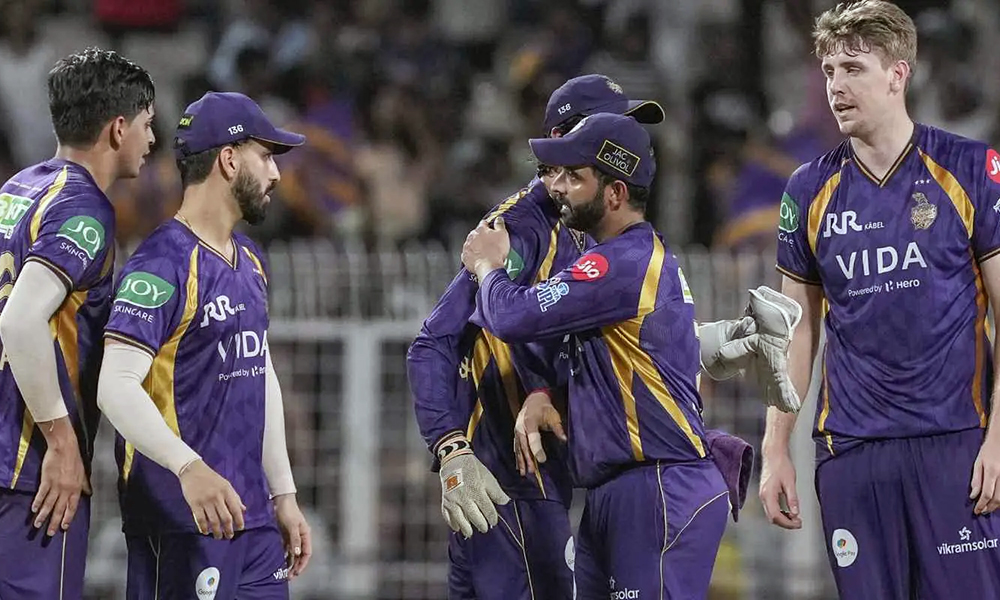
When two strong IPL teams compete, predicting the result is never straightforward. Cricket fans often search for clarity around today’s IPL match, who will win, hoping for a simple answer. But expert analysis shows that T20 cricket is far more complex. Outcomes depend on multiple evolving factors such as form, pitch conditions, team balance, match-ups, and in-game decisions.
Unlike fixed predictions, IPL outcomes are shaped ball-by-ball. A single over, dropped catch, or tactical shift can completely change the direction of the match. That is why expert evaluation focuses more on probability and patterns rather than certainty.
Team Form and Recent Momentum
Team form is one of the strongest indicators in IPL analysis. A team entering the match with consistent wins usually carries stronger confidence and better execution under pressure.
Key aspects of form include:
- Recent match results and winning streaks
- Consistency of top-order batting
- Middle-order stability during pressure situations
- Bowling performance in death overs
- Fielding sharpness and overall coordination
Momentum is equally important. Teams that win close matches often develop a stronger belief in crunch situations. On the other hand, teams struggling with narrow losses may face pressure in similar future scenarios.
Pitch Conditions and Ground Behavior
Pitch conditions play a major role in deciding IPL outcomes. Even the strongest teams can struggle if conditions do not suit their style of play.
Important pitch factors include:
- Grass cover affecting swing and pace
- Dry pitches assisting spinners
- Ground size influences boundary scoring
- Surface wear during the second innings
- Dew factor in evening matches
For example, a flat batting pitch often leads to high-scoring games, while a slow-turning pitch can reduce scoring speed and bring bowlers into dominance. Teams usually adjust their playing XI after reading the pitch behavior.
Head-to-Head Record Insights
Head-to-head records help understand the psychological advantage between teams. While they do not guarantee results, they provide useful historical context.
Experts analyze:
- Overall win-loss record between teams
- Performance at specific stadiums
- Batting vs bowling match-ups
- Chase the success rate of both sides
Some teams naturally match up better against certain opponents due to playing styles, making this an important analytical layer.
Role of Match-Winning Players
In IPL cricket, individual brilliance often decides outcomes. A single impactful performance can override team disadvantages.
Key match-winning contributions include:
- Explosive opening partnerships
- Quick middle-order acceleration
- Death-over hitting ability
- Wicket-taking spells at crucial moments
- Exceptional fielding efforts
Teams with multiple reliable match-winners have a stronger advantage because pressure does not fall on one player alone.
Toss and Match Strategy Impact
The toss plays a significant strategic role, especially in venues where dew influences second innings play.
After winning the toss, teams may choose:
- Batting first on dry or slow pitches
- Chasing when the dew makes bowling difficult
- Adjusting the bowling attack based on conditions
- Changing batting order for flexibility
While the toss does not decide the match result, it significantly influences the approach both teams take.
Balanced Squad vs Dependent Teams
A balanced squad is often more reliable than a team dependent on a few star performers. In long tournaments like the IPL, consistency matters more than occasional brilliance.
Balanced teams usually feature:
- Strong top-order foundation
- Flexible middle-order batting options
- Multi-dimensional all-rounders
- Diverse bowling combinations
Teams that rely heavily on one or two players become vulnerable if those players fail early in the innings.
Psychological Pressure and Game Awareness
IPL matches are high-pressure events where mental strength matters as much as skill. Players must constantly adapt to changing match situations.
Pressure factors include:
- Must-win playoff scenarios
- High expectations from home crowds
- Early wickets or batting collapses
- Captaincy decisions in tight overs
Experienced teams often perform better under pressure due to better communication and calm decision-making.
Data-Driven Match Analysis
Modern cricket analysis relies heavily on performance data. This makes predictions more structured and less emotional.
Key analytical metrics include:
- Strike rates in different phases of innings
- Bowling economy in powerplay and death overs
- Partnership stability under pressure
- Player performance in past similar conditions
This data-driven approach transforms discussions around today’s IPL match, who will win, into informed probability-based evaluations.
Bowling Strength and Death Over Control
Bowling is often the deciding factor in IPL matches. A strong bowling attack can defend even moderate totals.
Important bowling strengths include:
- Early swing and wicket-taking ability
- Control during the middle overs
- Effective variations in death overs
- Smart use of spinners in key phases
Teams with disciplined bowling attacks usually maintain control even when batting underperforms.
Batting Depth and Finishing Ability
Batting depth gives teams flexibility and resilience. In modern T20 cricket, matches are often decided in the last 4–5 overs.
Strong batting units show:
- Aggressive powerplay starts
- Stability during the middle overs
- Strong finishers for the final overs
- Ability to chase under pressure
Teams with deeper batting lineups recover better from early setbacks.
Fielding and Small Margins
Fielding has become a game-changing factor in IPL matches. One missed catch or a direct hit run-out can completely shift momentum.
Key fielding aspects:
- Catching efficiency under pressure
- Ground fielding and saving runs
- Direct hit accuracy
- Communication and coordination
In close matches, fielding often becomes the deciding difference.
Final Expert Outlook
Instead of a fixed prediction, expert analysis focuses on probability and match conditions. The team that adapts better to pitch behavior, executes plans effectively, and handles pressure moments usually gains the upper hand.
IPL cricket is unpredictable because even small moments can redefine outcomes. That is what makes the league exciting and competitive every season.
Conclusion
IPL matches are shaped by form, pitch conditions, strategy, and execution rather than certainty. While fans frequently look for answers to today’s IPL match, who will win, expert analysis highlights that cricket is a dynamic sport influenced by real-time decisions and momentum shifts. Understanding these factors helps viewers enjoy the game with a deeper and more realistic perspective.
If you are looking for deeper cricket insights and structured match analysis, CBTF provides expert breakdowns and analytical match evaluations that help fans understand the game more effectively. It focuses on data-driven perspectives and strategic analysis to enhance cricket awareness. Through IPL winning team analysis, CBTF enables a clearer understanding of match trends, team performance, and game dynamics.