



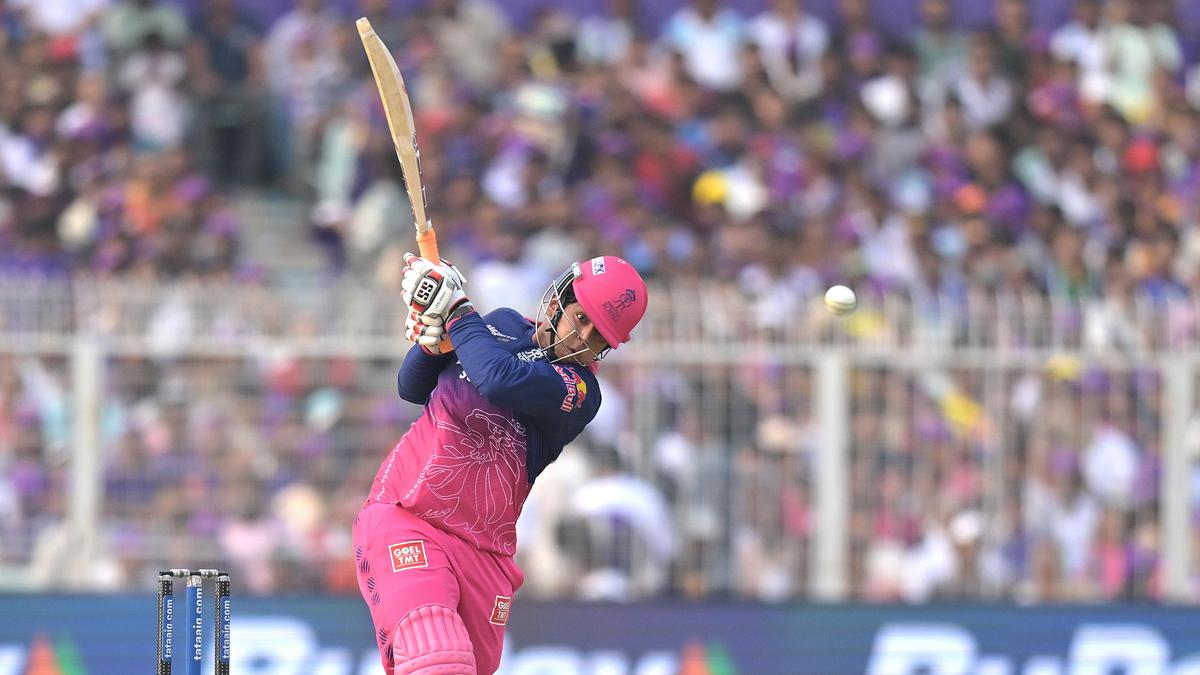
The batting ecosystem of IPL 2026 has evolved into a competition built around sustained scoring pressure rather than conventional run accumulation. Franchises are increasingly valuing impact-based batting because modern T20 matches often swing within two or three overs. Teams capable of maintaining scoring momentum across every phase are separating themselves from sides still dependent on anchor-heavy structures.
Analytical discussions across the tournament have therefore focused heavily on highest strike rate in IPL 2026, particularly after several emerging players combined fearless attacking intent with efficient shot selection against elite bowling attacks. Modern batting evaluation now includes phase-based acceleration, boundary conversion percentage, and scoring efficiency against pace and spin rather than relying solely on total runs.
Why Strike Rate Has Become Cricket’s Most Important Batting Metric
Strike rate has transformed from a supporting statistic into the primary measurement of batting influence in franchise cricket. A batter scoring thirty runs from fifteen deliveries now frequently carries greater tactical value than a traditional half-century played at slower tempo. Teams with superior run-rate control consistently force opposition captains into reactive field placements and premature bowling changes.
Coaching groups across IPL franchises have consequently redesigned batting structures around uninterrupted pressure. Instead of protecting wickets early, many teams now prioritize maximizing scoring opportunities during favorable matchups. That aggressive philosophy has significantly increased powerplay scoring rates throughout the 2026 season.
Vaibhav Sooryavanshi and the New Era of Fearless Opening Batting
One of the defining stories of IPL 2026 has been the emergence of Vaibhav Sooryavanshi as a genuine powerplay disruptor. The teenage left-hander rapidly established himself among the tournament’s most explosive batters by maintaining an extraordinary scoring tempo against high-quality pace attacks.
His success has not been built on uncontrolled slogging. Instead, Sooryavanshi has displayed elite pickup speed against hard-length bowling while consistently accessing scoring areas through extra cover and midwicket. Bowlers attempting short-ball tactics have struggled because of his quick hand speed and strong balance at the crease.
Finn Allen’s Boundary Conversion Efficiency
Finn Allen has continued reinforcing his reputation as one of T20 cricket’s most aggressive opening batters. Statistical tracking from IPL 2026 showed Allen operating with one of the strongest boundary percentages during the powerplay phase.
What made his performances particularly valuable was his efficiency against back-of-length pace bowling. Several fast bowlers attempted defensive hard-length plans against him, yet Allen repeatedly created scoring opportunities without overcommitting toward the leg side.
Key Reasons Behind Allen’s Success
Allen consistently attacked bowlers before they settled into rhythm. His willingness to target seamers inside the first two overs disrupted opposition plans and reduced slower-ball effectiveness later in innings.
Performance Against Fast Bowling
Data from the tournament showed Allen maintaining strong strike rotation even when boundaries were temporarily unavailable. That adaptability prevented extended dot-ball pressure.
Impact on Match Momentum
Rapid starts from Allen repeatedly allowed middle-order batters to approach innings with reduced scoreboard pressure during run chases.
Tactical Value to Franchise Planning
Opposition captains frequently altered bowling rotations earlier than intended once Allen established momentum during the opening overs.
Priyansh Arya and the Evolution of Middle-Over Batting
Priyansh Arya emerged as one of the most tactically mature domestic batters of IPL 2026. His effectiveness against spin bowling became especially valuable during middle overs where several batting units across the league struggled to sustain scoring momentum.
Arya’s proactive movement against slow bowlers distinguished him from many younger players. He frequently advanced before release, forcing spinners away from preferred lengths and creating scoring opportunities square of the wicket.
Why Spin Domination Matters
Modern T20 batting structures depend heavily on middle-over acceleration. Teams unable to attack spin effectively often enter death overs requiring unrealistic scoring rates.
Sweep Variations and Strike Rotation
Arya consistently used both conventional and reverse sweeps to disrupt field placements while rotating strike intelligently between boundary opportunities.
Tactical Awareness Under Pressure
Despite limited IPL experience, Arya displayed strong awareness regarding field settings and bowler sequencing during pressure situations.
Influence on Batting Partnerships
His aggressive intent against spin frequently improved scoring rhythm for batting partners at the opposite end.
Abhishek Sharma’s Importance to Modern T20 Structures
Abhishek Sharma once again demonstrated why franchises place enormous value on versatile left-handed batters. Unlike specialists limited to powerplay aggression, Sharma maintained scoring tempo throughout multiple innings phases without major decline in efficiency.
Performance analysis from IPL 2026 highlighted his effectiveness during overs seven to fifteen where many teams traditionally slow down. He consistently attacked fuller deliveries through straight boundaries while adapting effectively against pace-off variations.
Important Performance Indicators
- Strike rate above league average against spin bowling
- Strong boundary frequency during middle overs
- Consistent acceleration after strategic timeouts
Match Influence Beyond Statistics
- Reduced pressure on designated finishers
- Faster scoring recovery after wickets
- Improved flexibility for batting order adjustments
How IPL Teams Are Evaluating Batting Impact Differently
Franchises are no longer relying purely on aggregate strike rate while evaluating players. Modern analytical departments examine contextual scoring efficiency based on venue conditions, bowling quality, and match situations.
For example, a batter maintaining aggressive scoring on spin-friendly surfaces may offer greater tactical value than someone producing inflated numbers exclusively on flat wickets. Teams therefore incorporate venue-adjusted performance data into recruitment planning and retention strategies.
Technology and Data Reshaping Batting Development
Technology integration across IPL franchises has transformed modern batting preparation. Motion-tracking systems, predictive analytics, and simulation-based training now play central roles in player development.
Batters regularly receive matchup reports detailing bowling tendencies, release patterns, and preferred death-over strategies before fixtures. That preparation has significantly improved decision-making against elite bowling attacks.
Training Systems Used Across Franchises
- Ball-tracking software for reaction improvement
- Bat-speed monitoring during power-hitting sessions
- Simulation machines replicating bowling actions
Tactical Metrics Used by Analysts
- False-shot percentage against pace and spin
- Boundary probability by delivery length
- Scoring efficiency during different innings phases
Final Thoughts
Which batter truly represents the future of elite franchise cricket when modern T20 success depends equally on aggression, adaptability, and tactical intelligence? IPL 2026 has demonstrated that high-level batting is no longer about reckless power alone because the most effective performers combine matchup awareness with controlled acceleration. Through detailed cricket reporting, live match developments, analytical coverage, and tournament-focused insights, CBTF Speed News continues monitoring the evolving dynamics shaping franchise cricket globally. Discussions surrounding the batsman with best strike rate in IPL 2026 will increasingly focus on contextual influence rather than raw numbers alone.